Pages

Sunday, June 17, 2012

Ingredients for Good Coral Growth and Color

Ingredients for Good Coral Growth and Color
by Orphek


Light, Coral, and Photosynthesis

Many factors can affect coral growth; lighting, water temperature, feeding strategies, and water chemistry all have an affect coral growth and their appearance.  Proper lighting is one of the most important ingredients for successfully growing corals in a reef aquarium. The Zooxanthellae that live in coral tissue depend heavily on specific types of light energy to flourish in a symbiotic relationship with the host coral.  The Zooxanthellae provide food for the coral, and in return the coral provides protection from would be herbivores.  The lighting we provide for the reef aquarium must closely mimic the wavelengths and intensity found on the reefs to offer the same benefit to the corals as in their natural habitat.

orphek

There are some properties of light that should be considered when one wishes to successfully maintain and grow corals.

Lumens, PAR, and Wavelengths

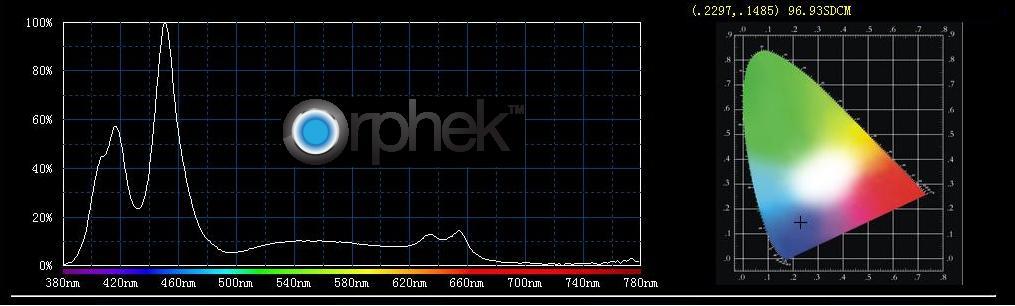
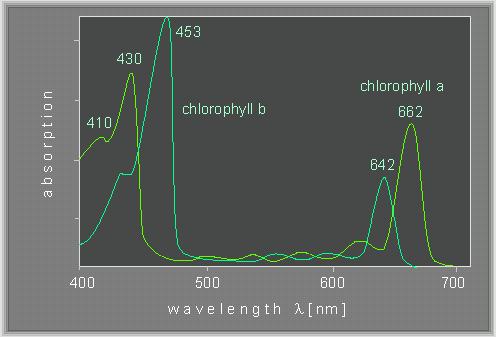
A Lumen is a measure of the total amount of visible light emitted by a source.  Luminous flux differs from power or radiant flux in that luminous flux measurements reflect the varying sensitivity of the human eye to different wavelengths of light, while radiant flux measurements indicate the total power of all light emitted, independent of the eye's ability to perceive it. The more lumens, the brighter or more intense the light looks to the human eye.  A Lumen meter can be a useful tool for determining when lamps are getting old and need to be replaced, but for reef systems, a PAR (Photosynthetic Available Radiation) measurement is much more useful as most affordable lumen meters only measure the intensity of wavelengths up to 580 nanometers.  PAR meters will measure the entire spectrum visible to the human eye which is between 400 to 700 nanometers.  This is more accurate considering that corals respond best to wavelengths between 400-550 nanometers and 620-700 nanometers.  These wavelengths are called PUR (Photosynthetic Useable Radiation), and this is the most desirable spectrum for growing corals.  You can see by the spectrograph below, that our LED systems mimic this PUR spectrum very well.  The chlorophyll A and B is finely tuned to provide peaks in those wavelengths which accelerate photosynthesis thereby yielding a higher production of the food source corals require for accelerated growth.
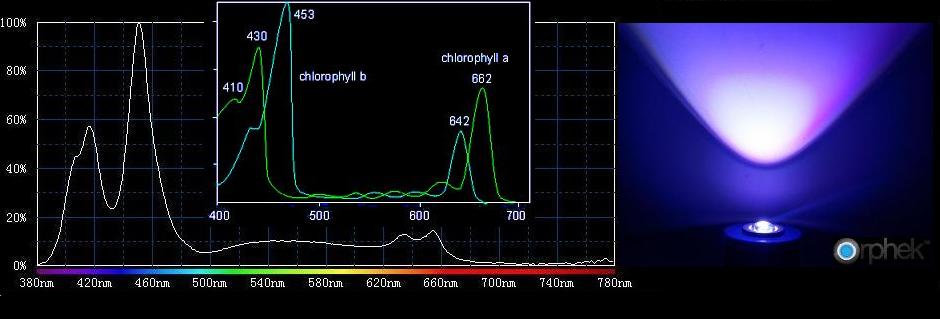
LED spectrum chlorophyll A and B for growing corals

Light is energy, and travels in light waves. The wavelength of light is measured in nanometers, with violet and blue at the lower end of the visible spectrum (400-470 nm) and the red is at the higher end (at around 700 nm).  Wavelengths below 400 nanometers are considered UV or ultra violet.  Above 700 nanometers light is considered infrared. The color spectrum is very important for coral growth in your aquarium because certain wavelengths are more beneficial to coral than others.

Corals found in shallow reefs and tide pools receive a greater portion of the light spectrum and intensity of natural sunlight because there is not enough water to significantly filter the light (water absorbs certain wavelengths of light more readily than others). Blue light penetrates the deepest and that is why the water appears bluish at deeper depths. Corals found in deeper parts of the reef depend on more of the blue spectrum and less intense light.
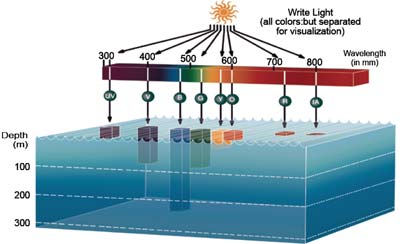
Light penetration in seawater at different wavelengths

Light penetration in seawater at different wavelengths

The Orphek PR-156 LED aquarium light is designed to penetrate over 48″ (122cm) so that corals can be illuminated effectively in deeper aquariums without the need for metal halide or HQI lamps which run hot, use much more energy,  add heat to the water, and generally need replacing every 8 months.

Temperature

Zooxanthellae are not very adaptive when it comes to water temperature; they do best at temperatures between 23-28 C (73-82 F). These algae also need a good amount of light which is why shallow coral reefs are only found in tropical clear waters where temperatures do not fluctuate too much during the year. In the summer, temperatures sometimes get above 30 C (86 F), causing the Zooxanthellae to die off. As a result, the corals expel these symbiotic algae. This is called bleaching, and it is now a common process which occurs on many coral reefs.

Global warming has caused summer temperatures to become higher, and for longer periods of time. The corals and the Zooxanthellae have difficulty in adapting to this fast changing climate. It is therefore important that we try to slow down climate change by reducing the amount of greenhouse gases we produce.  Metal halide and HQI (High Quartz Iodide) light systems that are used on deeper aquariums generate high heat and can rapidly change the temperature of the aquarium without a means of cooling the water.  Our LED systems reduce heat by a large margin and eliminate the extra cost of energy needed to drive traditional lighting systems.  The high cost of chillers which are used to control the temperature of the water adds another expense to the system.

By choosing an Orphek aquarium LED lighting system, you will spend less money to maintain the proper temperature of your aquarium and eliminate any chance of coral bleaching due to elevated temperatures. Basically this means that by choosing an Orphek aquarium LED lighting system, your corals will grow faster, and their colors will be more colorful and more intense!

Additives for Enhancing Coral Growth and Color

Orphek’s lab is always experimenting with lighting and additives to achieve good coral growth rate as well as coloration.  No expense is spared in conducting these experiments as we wish all of our clients can have the same success we witness in our lab aquariums.

Although Orphek LED lighting is the most important factor for coral growth, additives must also be added to replenish the elements that are absorbed by the corals.  Without these elements, growth will be very slow or even cease with some corals.  Calcium and magnesium are the two most important elements to maintain and they must be kept at a three to one ratio. A calcium level of 400-450 ppm and a magnesium level of 1200-1300 ppm should be your target goal.  If magnesium levels are low, corals have difficulty in absorbing the calcium they require.  For example; If we have a calcium level of 400 ppm  but magnesium is only at 600 ppm  only one half (200ppm) of the calcium present will be available for the corals to absorb.  This is why magnesium is added to medications used to treat Osteoporosis in humans.

The medication contains calcium and in order for the body to absorb it, magnesium must be present in the same three to one ratio.  Calcium and dKH are intimately related, one can affect the other.  Keeping dKH levels at 7-9 is highly recommended.  Too high a dKH will cause calcium to precipitate out of solution.


Strontium levels in seawater are 8.1ppm and are just as essential for the growth and well being of reef building corals as calcium.  Strontium is supplied to the corals with the help of the zooxanthellae that live symbiotically within them.  Dosing this element on a weekly basis is recommended.


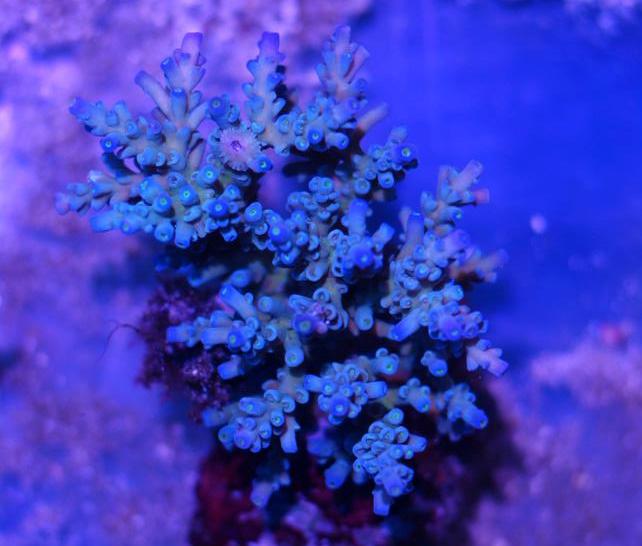
Potassium levels in seawater are 392 ppm and are an important component of aragonite.  Potassium is the mineral secreted as skeletal material by corals and other reef building marine organisms and is complexed into pigments that enhance blue coloration of some species of small polyp stony corals (SPS).  This element increases the color in colors when dosed regularly.

Ferrum (iron) is a minor trace element present in seawater at 0.0034ppm.  Iron is utilized in the transport chain within the chloroplasts, and is therefore required by photosynthetic organisms for continued functioning and health. In marine aquaria, these organisms include macroalgae, calcareous algae, and the symbiotic zooxanthellae that reside within the tissues of reef building corals, and also utilized by clams, and some sponges.  Supplementing iron at a higher level (.05-.10 ppm) than found in natural seawater enhances growth but exceeding this level is not recommended.  This supplement is particularly useful in aquariums utilizing a refugium with a mud substrate such as Miracle Mud.

Foods for corals are widely available and in many forms; liquids, powders, and live foods.  Most corals derive much of their food requirements through photosynthesis whereby the zooxanthellae that reside within their tissue provide the food source for them.  This food source alone, and in captive systems, is not enough nourishment to grow coral.  Although it will keep coral alive, other food sources are required to obtain a reasonable growth rate and good coloration.  I will provide a link to an article written by Bob Fenner titled “Stony Coral Feeding in Marine Aquarium Use.”

http://www.wetwebmedia.com/corlfeeding.htm


We recently asked users of Orphek LED products for their tips on growing corals and have placed a few responses below.

“My advice to anyone is first to get your nitrate and phosphates to undectable levels. Preferably using a Hanna Phosphate checker to measure and ensure your phosphates read 0.00ppm. I dose Lugol's iodine solution daily, every 4 days I add Brightwells Potassium powder. You need to though watch for signs of overdosing, for this I keep an eye on my yellow acro which will get a green shine if too much Iodine is being added. It's best to dose and visually learn these tell tale signs so as to strike a happy medium between your dosing regime and you corals. The other additive I use now and then, again works best when your nutrient levels are low and phosphates are undetectable  is to add KZ Zeospur. But do use sparingly at first, as it can cause damage if applied incorrectly. If corals look too pale, adding KZ Pohls Extra, will help with the enrichment of colors. Amino acids are also a good additive especially for nutrient starved systems, but again, will only add real value if your system is devoid of nutrients where you corals start have that pale starve look.

I believe then that, once u have your water parameters right, then will lighting start to add the real benefits to your SPS coloring up, much more than that of a system that is carrying nutrients and elevated phosphate levels.
Regards

Adrian”
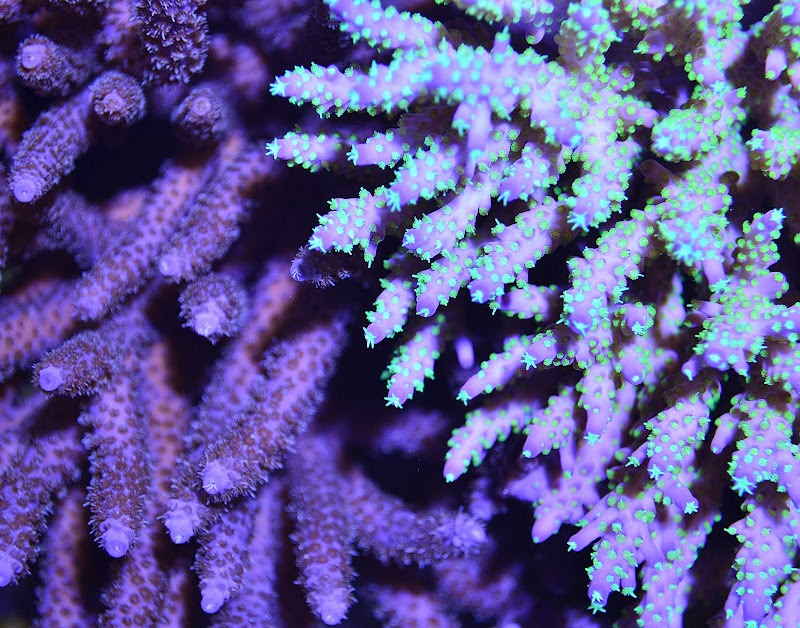
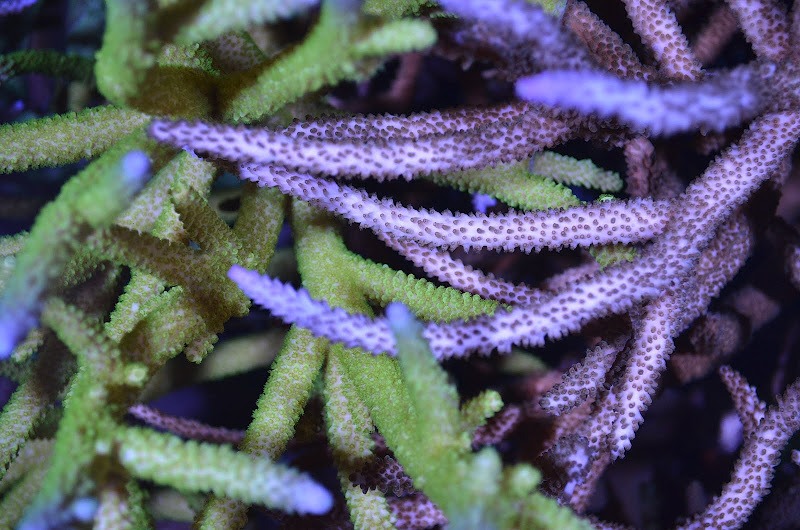
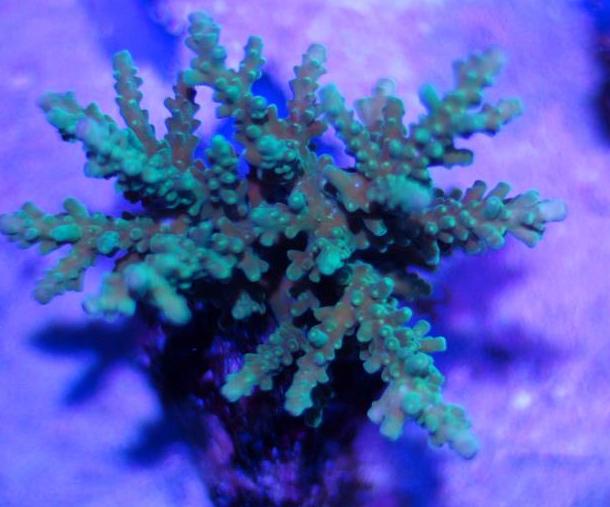
sps light LED
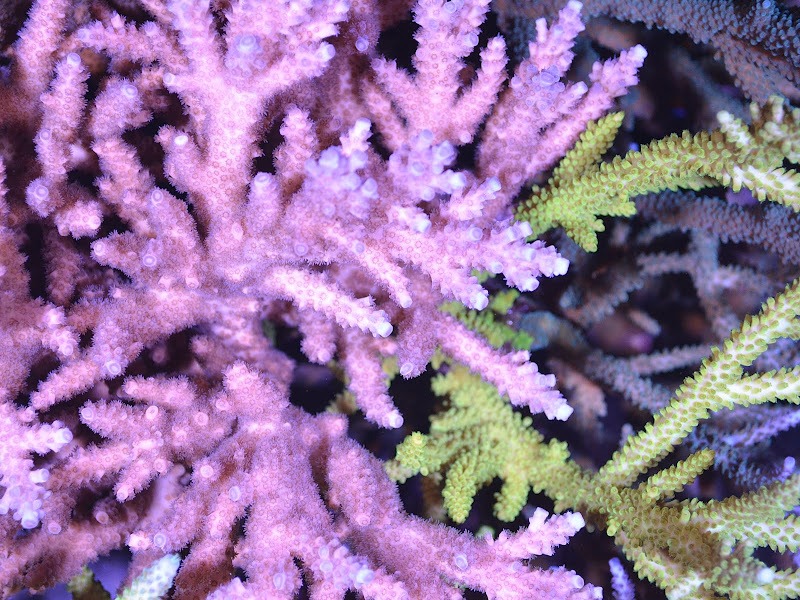
sps under orphek led lighting


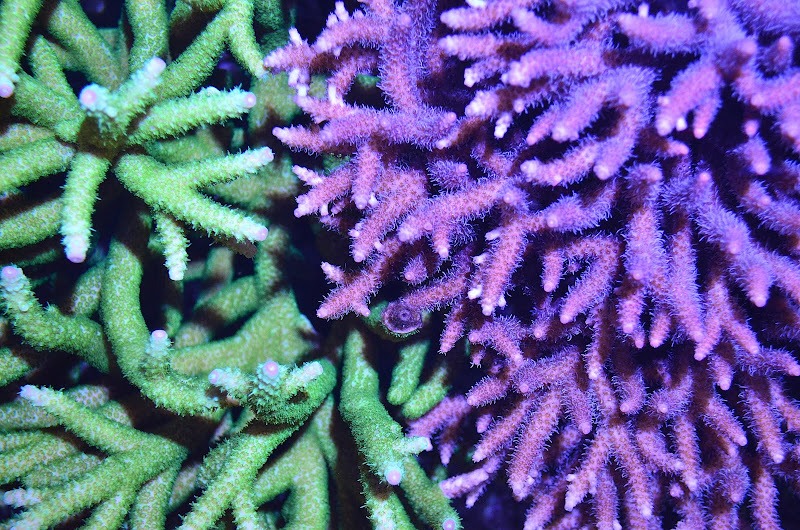
sps orphek light LED

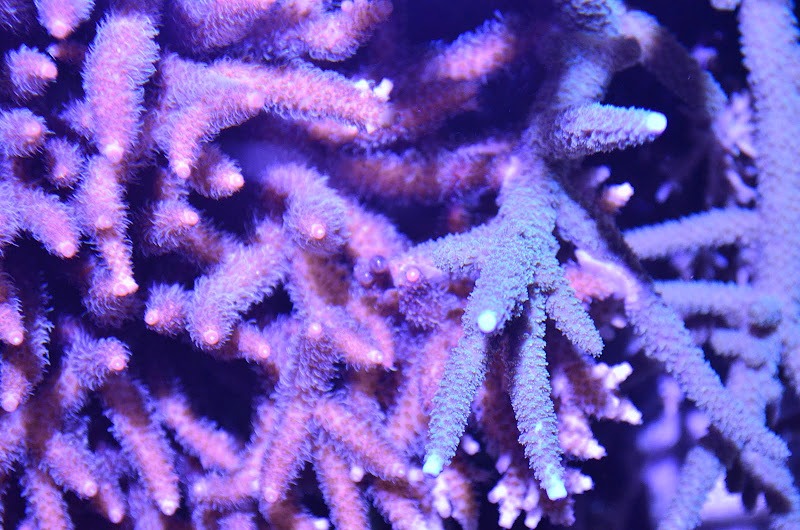
sps under light LED


sps under orphek  LED


sps under orphek light LED


sps underLED orphek light LED


under orphek light LED


“Happy to give you some tips.

Establishing an abundant and healthy Symbiodinium population is essential for maintaining deep colours in corals. This can be achieved by avoiding conditions which can cause bleaching (high temperature, high light (especially UV), pollutants, disease outbreaks, etc), but by also building resilience in the coral-algal symbiosis. Photosynthesis in the algal symbionts is essential for providing the animal host with an autotrophic source of nutrition. Up to 95% of the photosynthate produced by the symbionts is translocated to the animal, and this is the reason why coral reefs are so abundant in nutrient waters of the tropical oceans. However, by supplementing the energy produced through photosynthesis, by providing a heterotrophic food source, the health of both partners in the coral symbiosis is improved. Heterotrophic food sources, such as brine shrimp, are captured by the coral polyps and once digested supply a rich source of organic compounds of nitrogen, phosphorus as well as fatty acids, which are not available through autotrophic nutrition. In corals which are grown under optimal irradiance conditions and supplemented with heterotrophic food, colours are much deeper due to the more abundant population of Symbiodinium and/or the greater concentration of photosynthetic pigments (chlorophyll and peridinin) per algal cell. This colour is also sustained during periods of mild or short-term stress as the coral is more resilient against bleaching. This is one suggestion on how coral colour can be improved for those who presently only supply an autotrophic nutritional food source.

Cheers,

Ross”

Friday, June 8, 2012

Orphek LED revolution for Reef aquarium

Orphek LED revolution for Reef aquarium

This is Part three in a series of articles and in this article we will focus on the LEDs we use, particularly our new revolutionary 18K white LED.


First we will explain what LEDs are and how they work.  A LED is not a miniature light bulb, it is actually a semiconductor much the same as those used to power our speakers in our stereo systems.  Instead of generating power or wattage, they generate light.  A LED is actually the simplest form of a diode which makes these semiconductors easy to work with as they only have two leads.  LEDs are specially constructed to release a large number of photons outward. They are housed in a plastic bulb that concentrates the light in a particular direction.  Most of the light from the diode bounces off the sides of the bulb and travels on through the rounded end so there is no wasted light.  Metal halides and fluorescent lamps waste a lot of light since the light travels in all directions and must be redirected by reflectors into the aquarium.  LEDs have several advantages over metal halide and HQI lamps. For one thing, they don't have a filament that will burn out, so they last much longer. And, their small plastic bulb makes them a lot more durable.  But the main advantage is their efficiency.  In conventional incandescent lamps the light production process involves generating a lot of heat. This is wasted energy because a large portion of the available electricity isn't going toward producing visible light. LEDs generate very little heat, and a much higher percentage of the electrical power is going directly to generating light which drops electricity demands considerably.  Watt for watt, LEDs output more lumens of light than metal halide, HQI and fluorescent. Light emitting diodes also have a higher luminous efficacy than other types of aquarium lamps.  For example, an EvoLux LED produces 76.9 lumens per watt compared to an incandescent bulb's 17 lumens per watt.  Another huge benefit is that they last; LEDs can have lifetimes of 50,000 hours or more.

 Orphek PR156xp
Orphek PR156xp

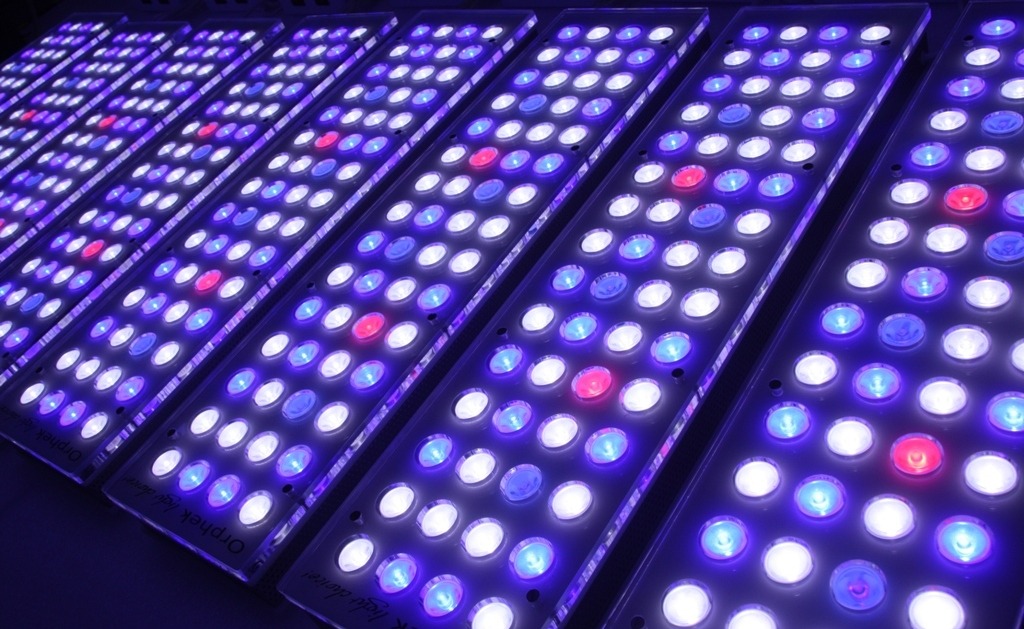
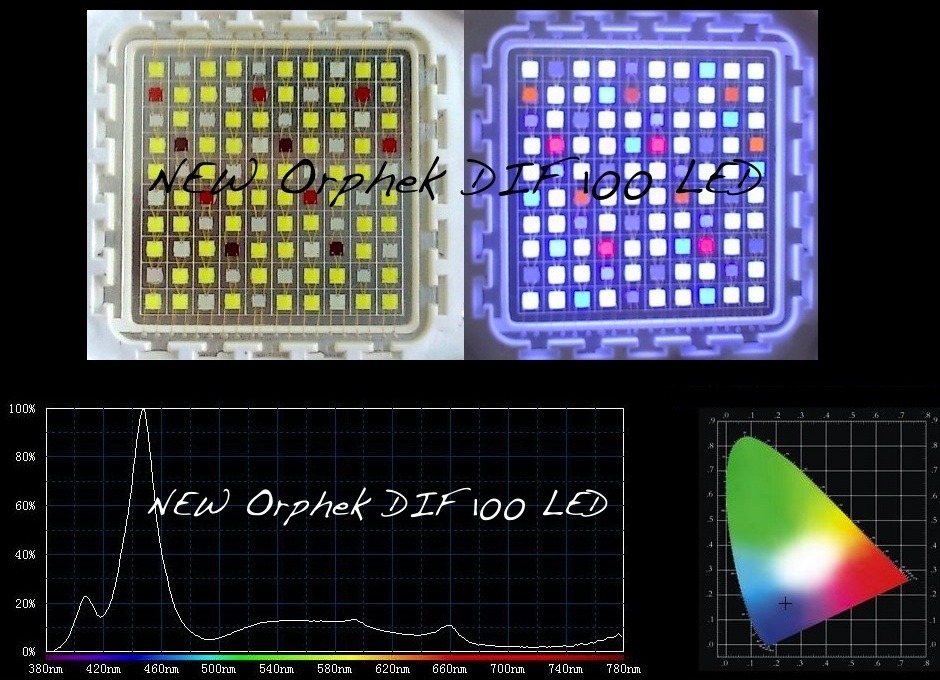
Manufacturers of Aquarium LED fixtures are increasing on a weekly basis and it certainly appears that LED lighting over our aquariums will be the norm in a very short time.  Most of these companies use off the shelf SMT (Surface Mount Technology) diodes, and in some cases such as LED strip lights, LED ribbon strips are used.  By using off the shelf LEDs, companies are limited to wavelength and/or Kelvin temperatures so the need to add different color diodes is necessary to produce the desired color or effect they want, and to mimic the PUR wavelength which is so necessary for proper coral growth.  Red, blue, green, and yellow are usually added to achieve the desired effect but these colors also have lower lumens per watt than the white LEDs which lower the total lumens per watt of the entire fixture while still not generating a good PUR spectrum.  With Orphek LED lighting, the white LEDs are custom made to Orphek specifications with the correct amount and type of phosphors so that blue lighting can actually be obtained from white LEDs which have the highest lumens per watt.  Because of this breakthrough, Orphek can reduce the amount of colored LEDs other manufacturer’s use that are necessary to obtain the blue effect which is a necessary wavelength in the PUR spectrum.  There is a big difference in lumens per watt between blue LEDs and white LEDs. If you look at the LED make up of Orphek fixtures, this can readily be seen.  The graphic below shows the diode makeup of the 100 LED multi chip used in the DIF 100XP.  As you can see, there are only 10 diodes used (red and orange) for enhancing the color of the corals.  Our expertly designed and produced lenses are made from optical quality glass to ensure the light from the few colored diodes that are used, is evenly spread throughout the aquarium.  There are no dead spots.
Orphek LED DIF 100 XP
60 – 18k White

10 – 450nm blue

10 – 430 nm actinic

10 – 410 nm UV

6 – 590 nm orange

4 – 660nm red


If you look at Cree XP-G LEDs on their web site, the white diodes are only available in cool white or warm white so much more blue must be added to achieve the desired color.  For example, the DIF 100XP which does not use Cree LEDs, but uses our own proprietary 18K white diodes.  Our LEDs have no model numbers; you cannot order these LEDs from a LED company for DIY projects. Orphek uses several American LED companies to produce their diodes to their exact specifications.  We have never used cheap Chinese made diodes in any of our products.  With Orphek revolutionary technology we have designed the first white 18K LED that actually produces blue with no appreciable loss of lumens per watt.  The benefits of this new diode technology are high lumens per watt as well as a high CRI index.  There is not another aquarium LED lighting manufacturer that can state this.   Our fixtures are very low in the 550-620 nm range which is the range nuisance algae and cyanobacteria thrive on.  In the graphic below you can see the high amount of light being generated by the Cree 7000K LED in the 550-620 wavelengths.  Compared to Orphek white LED, this is very high and will contribute to nuisance algae and/or cyanobacteria.
Orphek 16K LED Vs Cree LED


A Word about PAR and PUR

The term PAR means Photosynthetic Available Radiation.  This range covers the light spectrum from 400 to 700nm.  Not all of this range is necessary, or even recommended for corals and clams.  The term PUR means Photosynthetic Usable Radiation and is the spectrum corals and clams best respond to.  With LEDs, we cannot waste energy providing unneeded wavelengths, but focus our energy in the needed spectrum which falls between 400-550 nm and 620-700 nm.  In this regard we can provide high intensity lighting in these needed wavelengths.  With other forms of lighting, a high PAR is needed to grow corals because there is much energy wasted in unneeded wavelengths so the PUR wavelengths available must be amplified to provide the light energy needed.  With Orphek LEDs, the spectrum is carefully tuned to the PUR wavelengths and a PAR reading of 100 at the bottom of the aquarium will provide enough upward gradients to grow the corals and clams we generally keep in our reef tanks.  The recent review of the DIF 50XP will show PAR levels at various distances.

Because of the quality of LEDs used in all Orphek fixtures, diode failure is nearly non-existent.  This is quite impressive considering that we have installed over 100,000 LEDs in our fixtures over the last two and a half years.


Orphek R&D department is always experimenting with different types of diodes and electronics to further improve our products.  As an example, the current PR 156 fixture uses completely different diodes than the original model did.

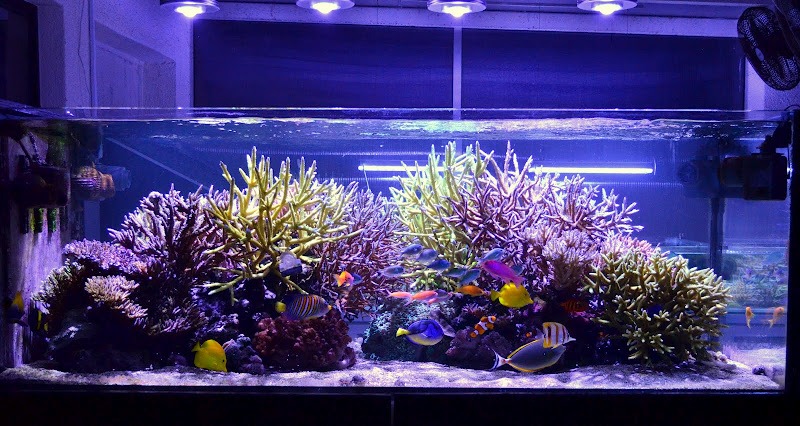
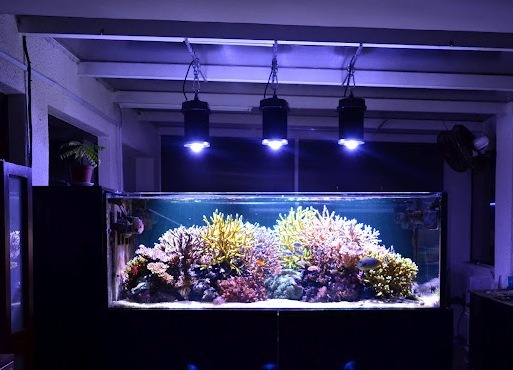
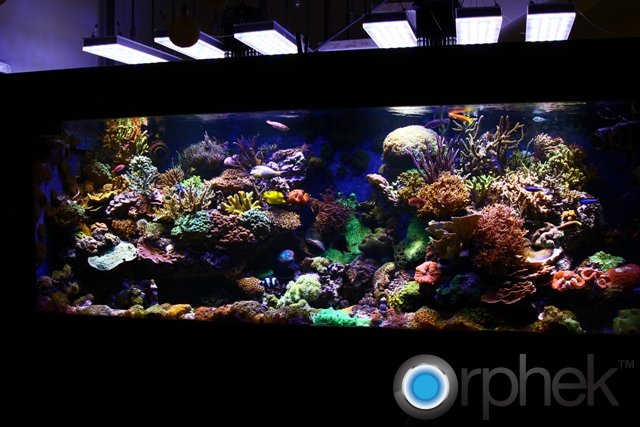
Reef Aquarium with Orphek LED lighting

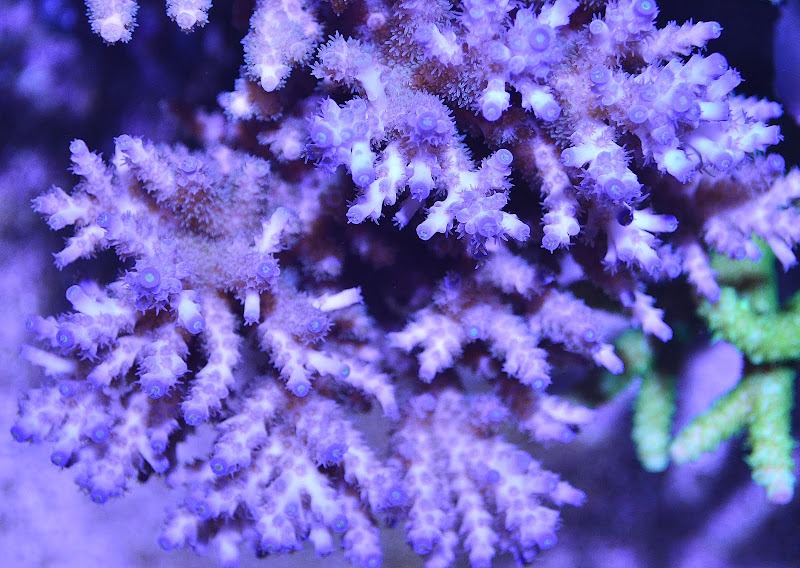
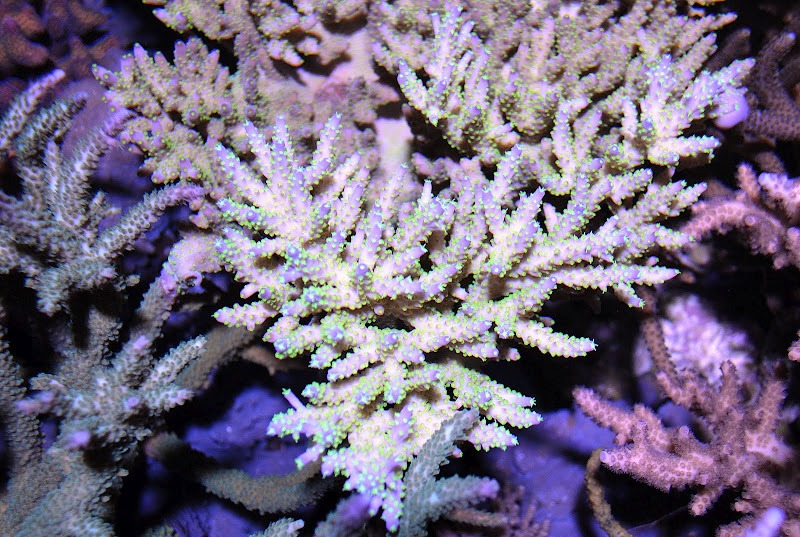
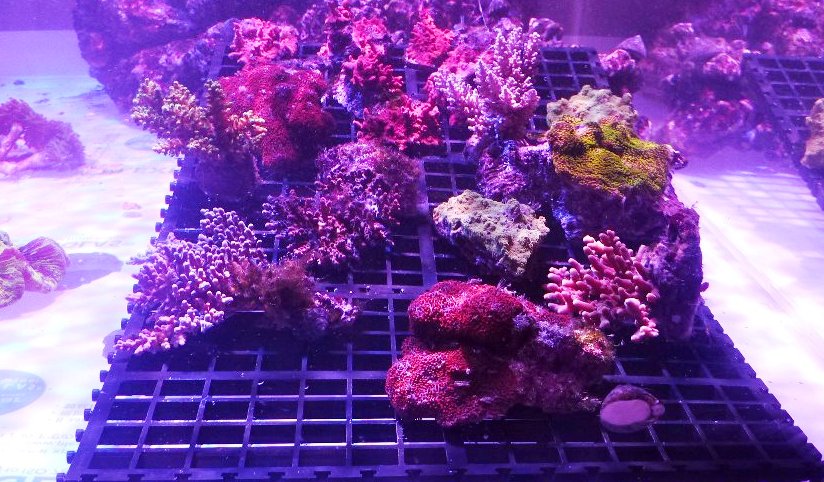
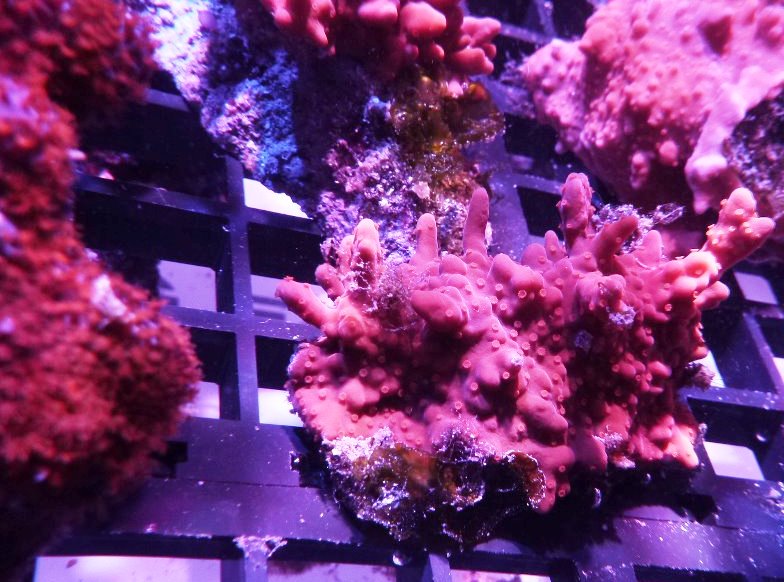
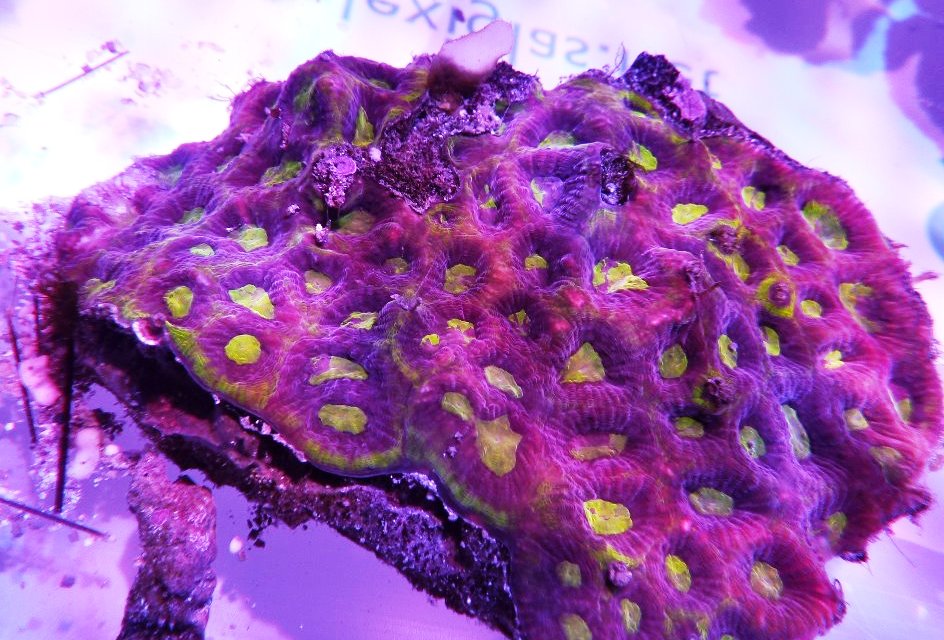
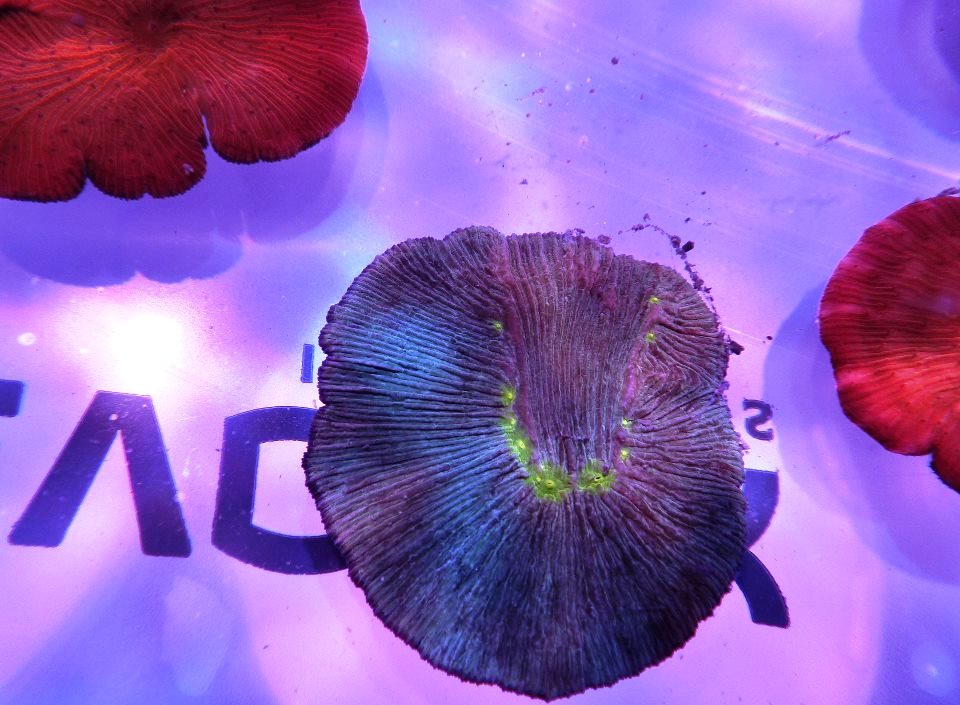
The appearance of the corals is stunning under our 18K white LEDs.

Before buying any LED fixture, compare their spectrograph with ours.  Is their spectrograph high in reds and yellows, do they use green LEDs for effect which have no real benefit for growing coral.  What are their PAR/PUR readings compared to ours, and especially look at these figures at deeper depths where Orphek excels in high PAR readings.  Be aware that a high PAR reading means little unless it is measuring the light in the PUR range, the range corals best respond to.  To be specific, this range falls between 400-550 nm and 620-700 nm.

 
Our new multi chip using 60% 18K white LED diodes duplicates the PUR range perfectly.


What are the benefits of using Orphek LED Lighting;

  • Cooler running with our exclusive extruded aluminum heat sinks

  • Efficient Meanwell drivers

  • High PAR/PUR

  • High 450 nm peak obtained with minimal use of blue diodes

  • Long diode life, diodes are never overdriven to obtain high intensity

  • Choice of lenses

  • Custom diode makeup at no extra charge

  • Revolutionary 18K LEDs not found in any other LED fixture on the market.

  • Orphek quality, reputation, and customer service

Saturday, May 19, 2012

Orphek LED revolution DIF100

Orphek LED revolution DIF 100
This is Part two in a series of articles and this article will focus on the development of the DIF 100 series and further improvements that were made in chronological order.

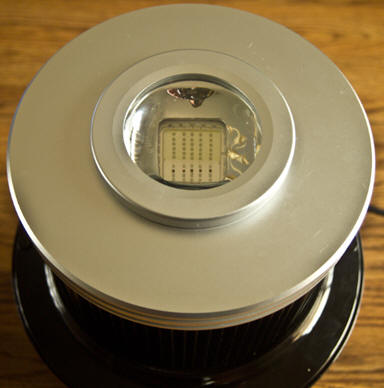
Orphek DIF 100 XP LED

March 29 2011 – DIF 100

Orphek engineers wanted to design and build a pendant that would allow hobbyists with deep tanks to take advantage of the energy savings of LEDs while providing an excellent PUR range while providing a high PAR level necessary for these systems. 

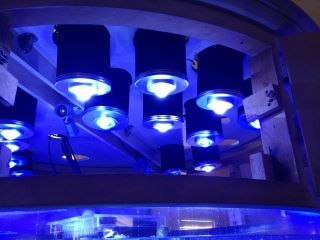
DIF100 and DIF 100 B+UV
DIF 100 and DIF 100 B+UV


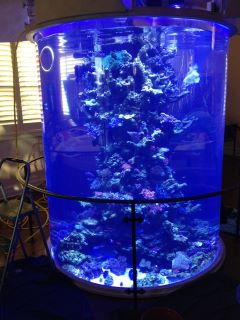
Tank with Orphek DIF100
Tank with Orphek DIF 100

The DIF 100 was designed so that different lenses could be used depending on the user’s application.  Four different lenses are available in the following degrees; 45, 60, 90, and 120.

The 45 degree lens allows users to penetrate deeper tanks with the needed PAR level while the 120 degree lens offers more coverage for shallow aquariums such as coral display tanks.  And, all this is accomplished without the need of a cooling fan by using a revolutionary extruded aluminum heat sink.


The heat sink used in all DIF series pendants is fabricated by extrusion.  This process involves heating the aluminum bar stock and pulling it through a die to form the heat sink.  In general, heat sinks that are fabricated from a solid piece of metal will outperform heat sinks where the fins are bonded to the base with a bonding agent.  With this method, thermal transfer is inhibited by the bonding agent itself.  Die casting is another method of forming heat sinks but has one drawback.  As the molten metal cools in the die, it inherently expands creating voids in the structure. The porous interior weakens the structure, inhibits thermal performance, and is difficult to machine.  Orphek chose to use the more expensive method of extrusion and incorporates extruded aluminum heat sinks for all DIF series Pendants.  This method greatly increases the life span of the LEDs and electronics by efficiently dissipating more heat, and without the need of a noisy cooling fan.


April 2012 – DIF 100XP


Orphek’s engineers decided to improve the DIF 100’s performance by adding a new multichip which now include red and UV LEDs.

new orphek dif 100 XP LED

The new multichip LED is made up of:

60 – 18Kwhite
10 – 450nm blue
10 – 430nm actinic
10 – 410nm UV
6 – 590nm orange
4 – 660nm red


Power Supplies
            Model                          Dimming                 Power Supplies

DIF100 , DIF100 XP            NO                   Mean well CLG-150-36A

DIF100 , DIF100 XP            YES                 Mean well HLG-120H-36B

DIF50   , DIF50 XP              NO                    Mean well LPF-60-36

DIF50   , DIF50 XP             YES                   Mean well LPF-60D-36

This improvement boosted the spectral response in the PUR range which includes chlorophyll A and B. This offers better color, florescence, and improved growth of corals. To further improve the efficiency of the already efficient DIF 100, a new industrial quality driver was used. The driver is manufactured by Mean Well and features a constant current driver with EMI filtering and auto over current shut off. The voltage and current are regulated to within +/- 0.5 percent and the driver carries a two year warranty.


Reef Aquarium Photos with DIF100 :

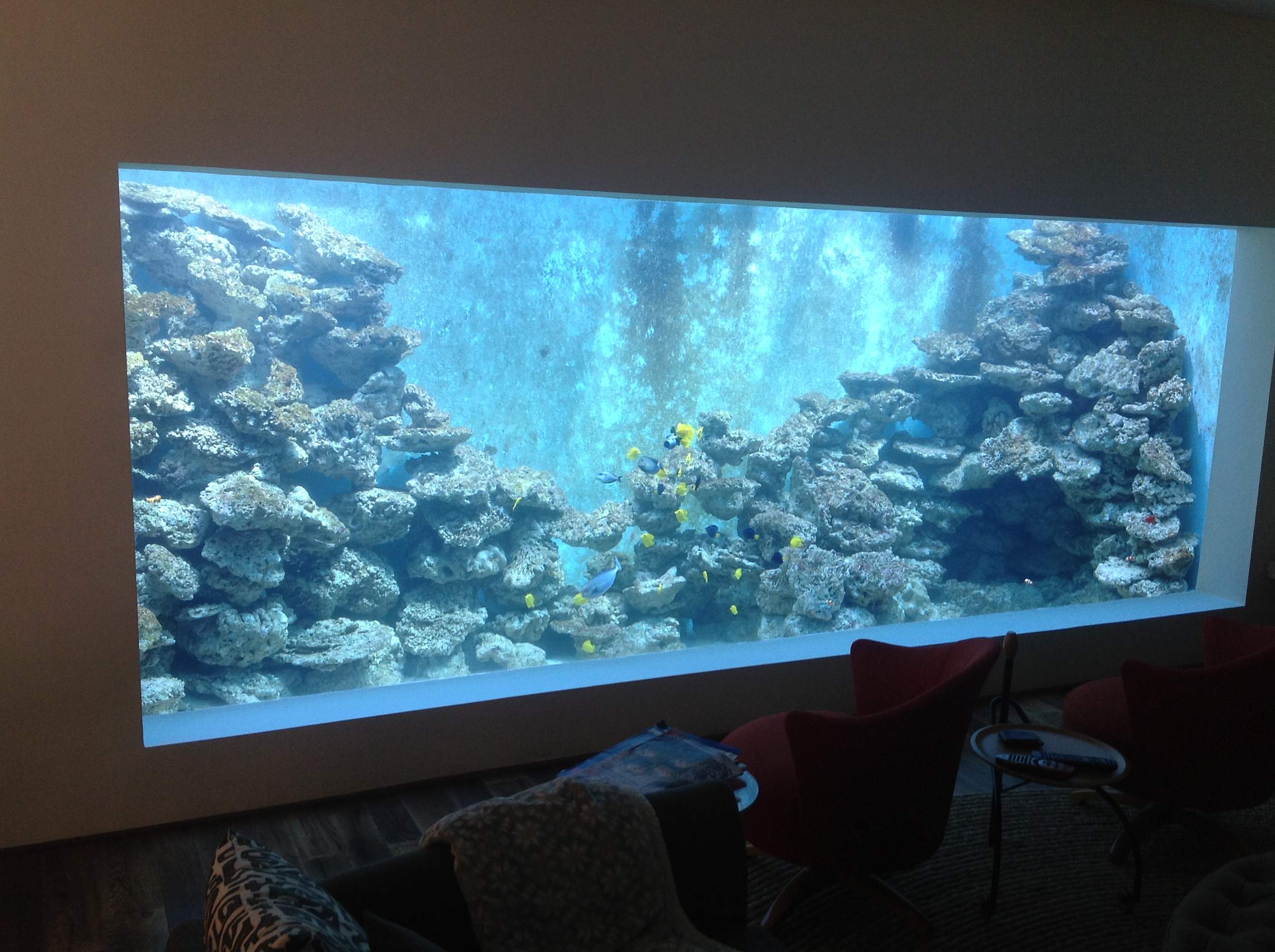
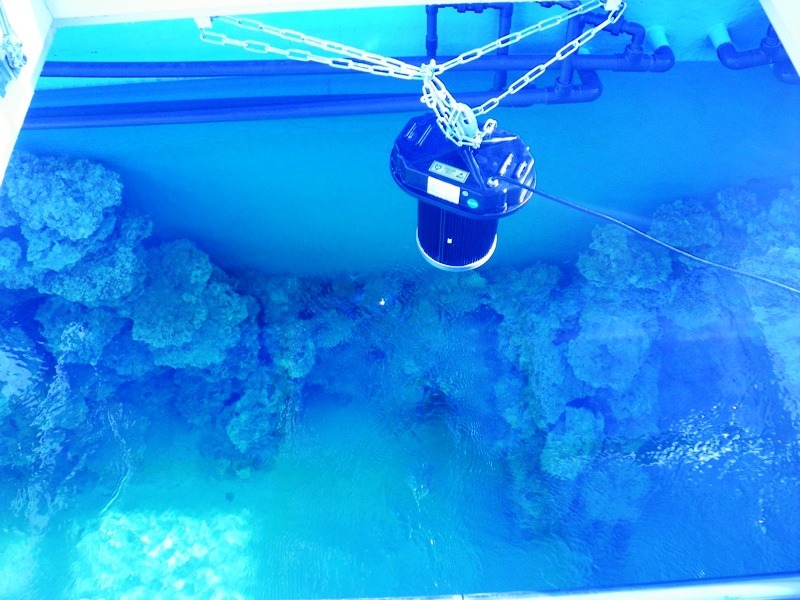
Reef Aquarium with no corals 9000G

Tanks Size: 5m X 2,5m X 2,5m  = 16.4' X 8.2' X 8.2 H

3x DIF100 18K 90 Degree

2x DIF 100 18K 60 Degree

Total 500W
Reef Aquarium with no corals 9000 G

Reef Aquarium with no corals 9000 G

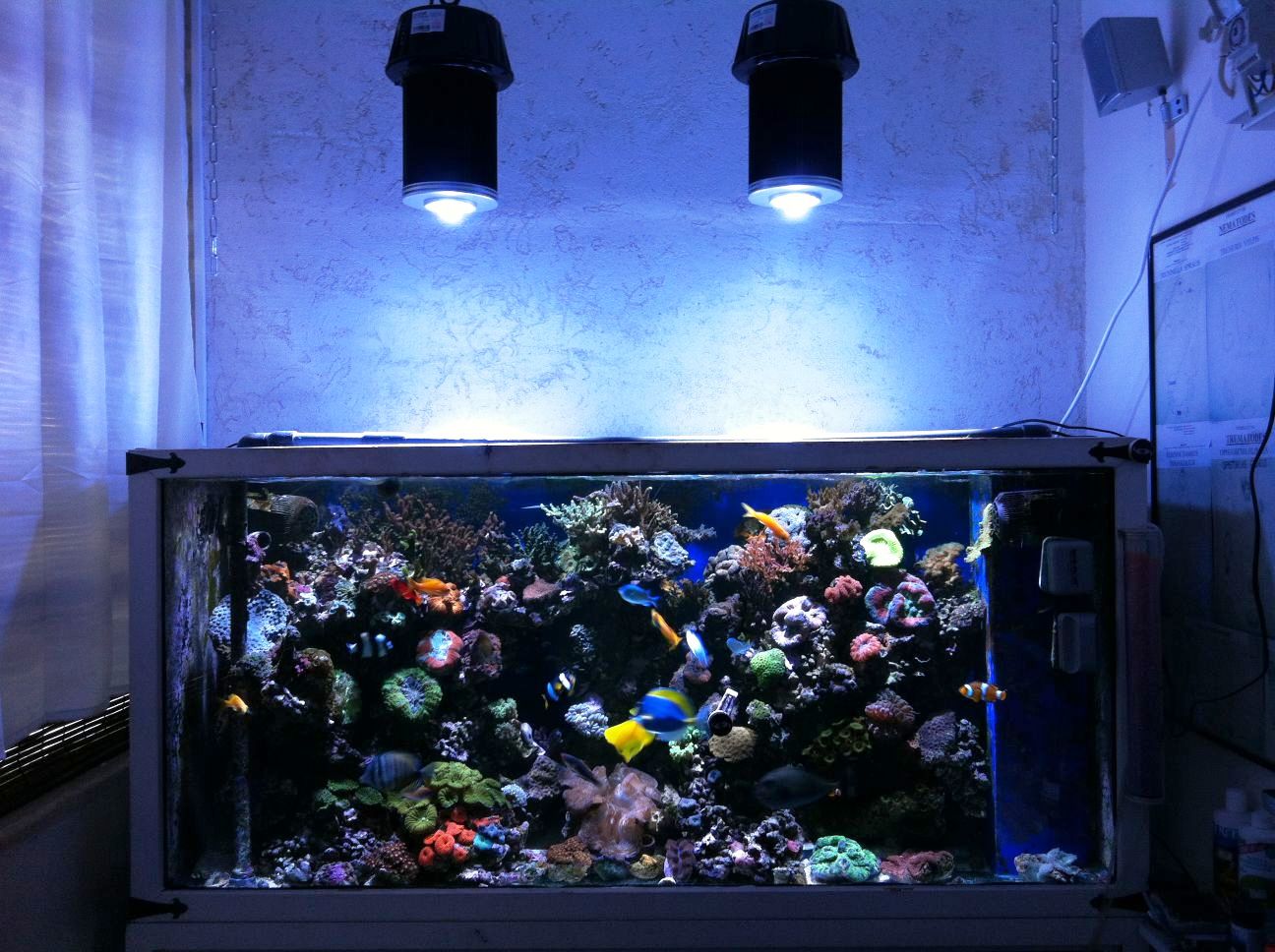
Reef aquarium Mix corals

2x DIF 100 18K 90 D

Total 200W

reef tank mix corals with 2x DIF100 18K
reef tank mix corals with 2x DIF 100 18K


Orphek DIF series units installed by Wet Work of New Orleans, Louisiana over a 42″ deep,
 479-gallon reef system replacing 1600 watts of metal halide.

2x  Orphek DIF 100 18k with 90 degree lens

2x  Orphek DIF 100 25k  with 90 degree lens

2x Orphek DIF 30  blue with 120 degree lens

Total 460W LED  VS 1600 W MH

42″ deep, 479-gallon reef system replacing 1600 watts of metal halide.
42″ deep, 479-gallon reef system replacing 1600 watts of metal halide


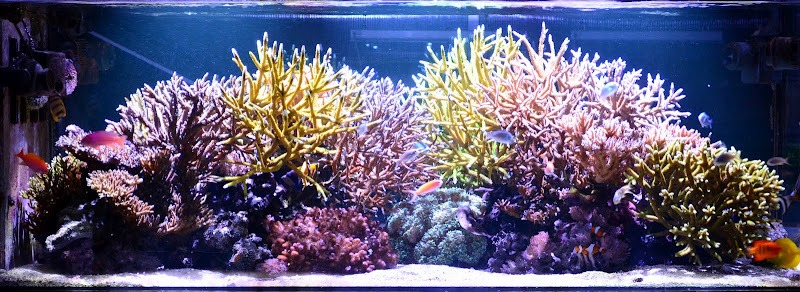
Reef aquarium SPS corals

Tanks Size: 2mx1m = 6.5'x3.2'

3x DIF 100 XP 90 D

Total 300W
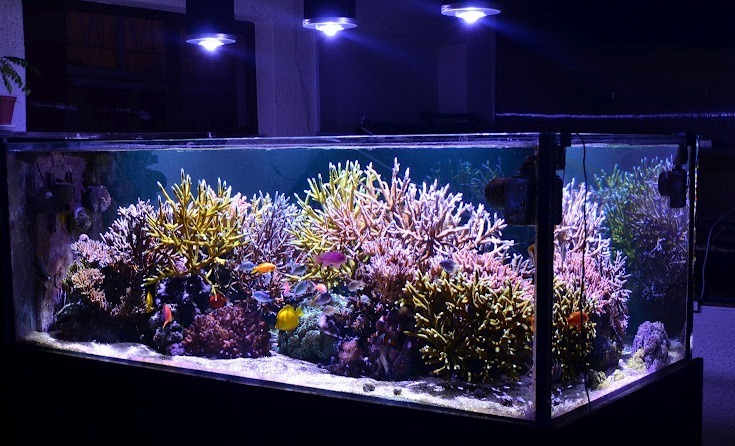
SPS tank  with orphek dif 100 XP LED
SPS tank with orphek dif 100 XP LED
SPS Corals Under Orphek DIF 100 XP
500 corals under DIF 100 XP

Related links:

ORPHEK DIF 50 XP LED PENDANT review

Orphek Drops a Pendant LED Bomb: DIF 100/50 XP

Orphek DIF XP Series Gets Refined Before Final Release

Orphek DIF30 Refugium Monster

Photos 500 corals - DIF 100 XP corals.no

Aquatic Exhibits International Dual 3,500gal

Friday, May 4, 2012

Orphek LED revolution PR156

Orphek LED revolution PR156

This is Part one in a series of articles and this article will focus on the development of the PR156 series and further improvements that were made in chronological order


2009

In 2009, Orphek designed and built the first LED fixture capable of growing all types of corals without regard to coral placement due to insufficient PAR levels at depths where other LED companies failed to succeed. The revolutionary PR156 allowed aquarists to freely aquascape their aquariums by placing corals where they looked best. There was no need to place light loving corals near the surface and graduating downward with corals requiring less light. The PR156 provided the necessary PAR/PUR at the deeper zones of the aquarium to support all photosynthetic life forms.

Orphek’s design goal was to provide good penetration by using lenses which would achieve high PAR/PUR values at depths over 36 inches. The lens was designed to narrow the beam which allowed better light penetration for tanks 36 inches and deeper. The idea behind this design was that multiple fixtures could then be used to cover longer lengths of aquariums while still providing high PAR/PUR levels to the deeper zones of the aquarium. Until the PR156 was developed, no other LED fixture manufacturer was able to do this.

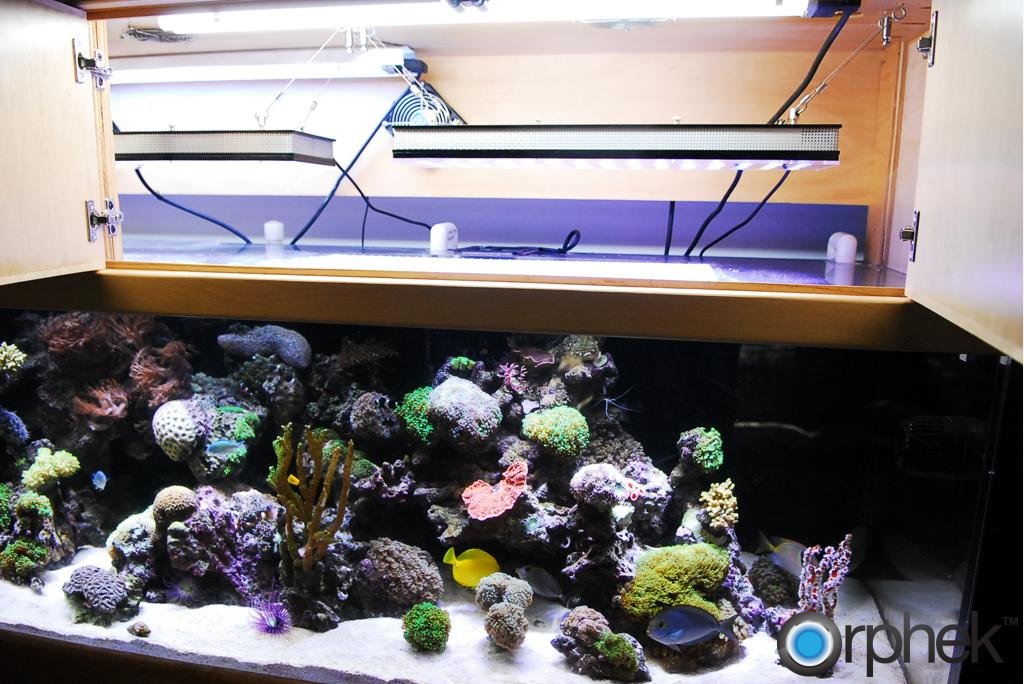
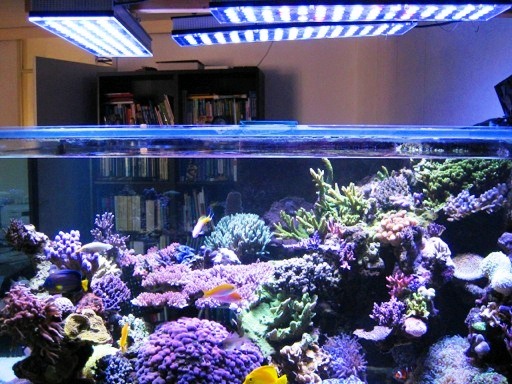
Here are some examples of deep tanks illuminated by the Orphek PR156.

Orphek PR156 led-aquarium
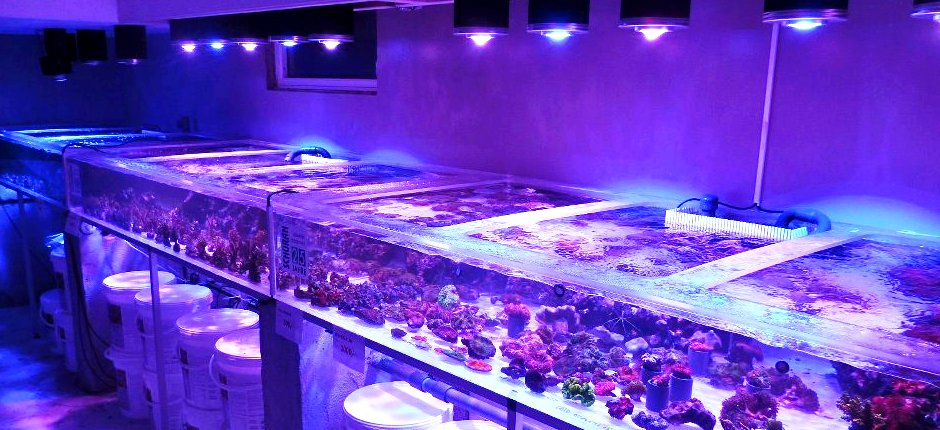
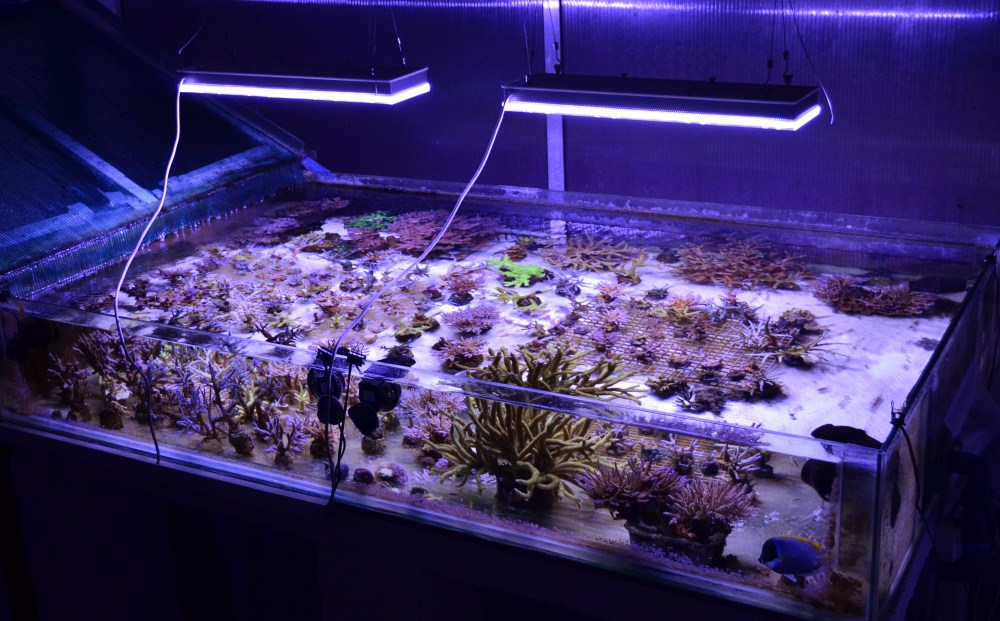
Here are some examples of frag tank Tank is 200cm x 120cm x 27cm
illuminated by the Orphek PR156 LENS OUT


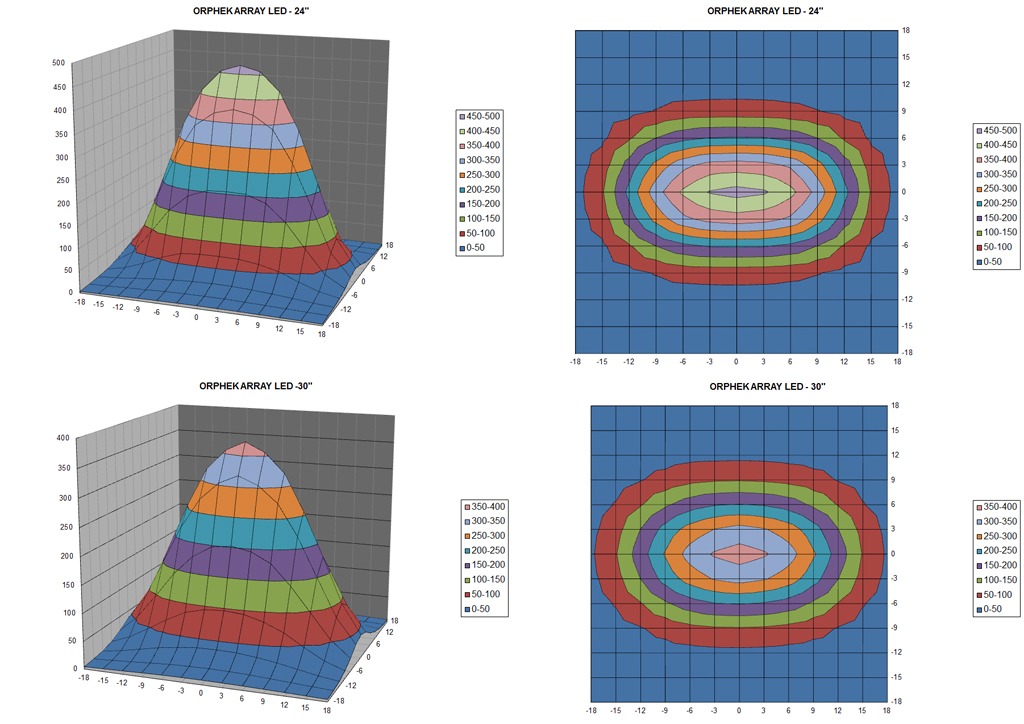
Also here is PAR map provided By Sanjay Joshi, Ph.D.

PAR map provided By Sanjay Joshi, Ph.D.


The Orphek PR156 uses three watt LEDs but runs them at two watts to reduce heat and provide better longevity for the LEDs. Heat is a common enemy of all electronics and this method has proven itself as over 60,000 LEDs have been used in PR156 pendants with a very low percentage of failure due to heat…less than one percent. The PR156 was equipped with a two channel timer which allowed a sunrise to sunset effect by controlling the blue LEDs with one channel and the white LEDs with the second channel. There was no good reason to develop and use a dimming feature which would thereby increase the cost of the unit while providing no real benefit.

Orphek uses proprietary 16K white LEDs to increase the PUR value and reduce the amount of blue LEDs which have a very low Lumens per watt ratio. In this regard the PR156 provided the highest Lumens per watt on the market and arguably the best performer. The PR156 can also be custom ordered in any configuration of blue and white LEDs the customer may want.

Another design goal of the PR156 was to provide a slim unit with a separate power supply and timers incorporated into one control box. This allowed the electronics to be safely placed away from the harsh salt water environment.

PR156W

The first generation PR156 came equipped with 90 degree lenses which still remain the standard today. The PR156W incorporates a 120 degree lens which gives a wider spread of light which is more suitable for wider and shallower tanks. For larger tanks, the length, width, and height of the pendant will determine the number of units needed to provide effective PAR levels. For SPS coral growth in deeper aquariums, the PR156 is the recommended fixture.


2010

In 2010 a honeycomb lens was developed that did not change the light spread much but reduced the focus effect. This wider lens is also recommended for deeper tanks.

PR156UV

In 2010, Orphek added four UV LEDs to the PR156. The UV LEDs are high range and posed no danger to human eyesight. This development increased coral florescence and covered the chlorophyll A range.

2012 to Present

PR156 PLUS

At the end of 2012 Orphek launched the PR156 PLUS series which incorporated a better power supply and higher Lumens per watt LEDS. The Meanwell Power Supply offered better cooling and lower noise while still providing two channels of control.

PR156 PLUS XP

In addition to the UV LEDs, two red LEDs were added which increased the spectrum to include chlorophyll B in addition to the already present chlorophyll A which was added with the PR156UV series. This new development along with the new Mean Well driver increases the PAR and the PUR wavelength which provides even better coral growth and appearance. The color pop in red pigmented corals is stunning.


The PR156 PLUS XP is the culmination of two years of research beginning with the original PR156. Our latest model is also available as the PR156 PLUS XP Profilux GHL and PR156 PLUS XP Neptune Apex. These units are fitted with the proper connectors which will allow the LEDs to be controlled by either of the above controller’s external hardware. In the case of the Neptune Apex, connectors will be installed to connect to the Neptune Variable Speed Dimming Module. For the GHL Profilux controller, the PR156 will be set up to use with the GHL LED Control 4-Passive Module. They will be configured for two channel operation. One channel will control the blue LEDs and the other channel will control the white LEDs. Orphek can also provide the GHL EVG interface expansion module if needed.

As in previous models, the PR156 PLUS XP can be custom ordered with any color ratio of LEDs the customer may desire

Tuesday, April 24, 2012

ORPHEK DIF 50 XP LED PENDANT

ORPHEK DIF 50 XP LED PENDANT

Reviewed by James Gasta (wetwebmedia)

ORPHEK DIF 50 XP LED PENDANT


Pendant LED lighting has become increasingly popular in the last two years. The Orphek DIF 50 XP Pendant provides a means to effectively illuminate both shallow and deep tanks (depending on the lens used) with enough PAR/PUR to support corals and other photosynthetic life. Orphek’s engineers have given the Orphek DIF (diffused) 50 Pendant a makeover by introducing a new multi-chip LED which incorporates some high range UV along with some added red. The UV starts out at 380nm, peaks sharply to 410nm, and rapidly falls off. UV radiation in this range is safe for humans according to NASA standards. It also mimics the wavelength of chlorophyllA and B as the spectrograph below will show. This is the first LED fixture that I am aware of that produces blue light without the use of energy wasting blue LEDs which have very low lumens per watt ratio. The Orphek DIF pendants are very versatile. Depending on the lens used, they can be used for cube tanks, large systems, and aquaculture facilities.

... Continue reading


Saturday, April 21, 2012

The Four Masters Video Series

The Four Masters Video Series
Coral Tank from Canada (1350gal Display Tank)


Coral Tank from Canada Video


"Update as promised
Its been a long while since any updates. We have been very busy with the build and have lots to talk about. We have been shooting videos for the last six weeks and have put together a 6 minute first episode to get some feedback before we release any others. This first episode is designed to give the first time visitor a general high level overview of this build and introduce the Four Masters who were inspirational in this build for both design and best practices.

This video also marks the milestone of 100% LED lights over the display tank. As I have noted earlier I am very impressed with the results and firmly believe that LED's now represent a best practice for our hobby. I am planning a full episode devoted to lighting to discuss the evolution of lighting with this build from the beginning as well as a look into the future as we further develop the quality and capability of this technology.

It was a challenge to release this episode as there were a million things and ideas we wanted to improve on but we realized just like everything else in this hobby there is a learning curve that we need to respect. That means we hopefully will get better with time and practice. The original source file was shot in 1080P and Phanfare lets you choose the resolution based on your equipment and bandwidth availability.

The 1080P is the best resolution but may not be suitable for everyone. If the video seems jerky or out of sync with the audio the choose a lower resolution. The levels are ‘LO’ ‘MED’ ‘HI’ and ‘HD’ . HD is 1080P and should be best on a high end system. ‘HI’ is 720P and is much easier to use for most folks. We are looking for feedback so please let us know.

The equipment used was the Gopro Hero2 with the 'BlurFix' lens attachment, Canon 5D II with a variety of L lenses, Canon XF 100 video camera. There's a bunch more accessories including lights, mikes etc but Rob Baxter our videographer was the real magic in the mix from my point of view.

The first question that I can anticipate will be “when is the next one” and I can say that we want to get some feedback before we do any more to hopefully improve the format to everyone’s’ benefit.

So with that brief introduction I will ask Dave M to post the video and hopefully find out it was worth while………

Peter "

Monday, April 16, 2012

About Corals

About Light,Coral,and Photosynthesis

Many factors can affect coral growth

Lightning, water temperature, feeding strategies, and water chemistry all affect coral growth and appearance.  Proper lighting is one of the most important aspects of any reef aquarium. The Zooxanthellae that live in coral tissues depends heavily on specific types of light energy to flourish in a symbiotic relationship with the host coral. The lighting we provide for the aquarium as hobbyists needs to simulate this as closely as possible.

There are a few properties and measurements of light that should be considered when one wishes to successfully maintain and grow coral.
Lumens

are the international unit of luminous flux used to measure the total amount of visible light emitted. The more lumens, the "brighter" or more "intense" the light looks to the human eye, so lumens are a measure of the power of the visible to the human eye.

Light is energy, and travels in light waves.  The wavelength of light is measured in nanometers, with violet and blue at the lower end of the visible spectrum (400-470nm) and the red is at the higher end (at around 700nm). The color spectrum is very important for coral growth in your aquarium, because certain wavelengths are more beneficial to coral than others.

Corals found in shallow reefs and tide pools receive a greater portion of the light spectrum and intensity of natural sunlight because there is not enough water to significantly filter  the light (water absorbs certain wavelengths of light more readily than others).  Corals found in deeper parts of the reef receive more of the blue spectrum and less intense light, because the water has absorbed much of the red and yellow wavelengths.

The Orphek PR-156 LED aquarium light is designed to penetrate over 48" (122cm) so that coral can be illuminated effectively in deeper aquariums with LED lights - no longer must reef aquarists rely on expensive and extremely hot 400w metal halide lights.
Temperature:

Zooxanthellae are not very flexible when it comes to water temperature; they do best at temperatures between 23-28 C(73-82 F). These algae also need a lot of light, which is why shallow coral reefs are only found in tropical, clear waters where temperatures do not fluctuate too much during the year. In the summer, temperatures sometimes get above30 C(86 F), causing the zooxanthellae to die off. As a result, the corals expel these symbiotic algae. This is called bleaching, and it is now a common process on coral reefs worldwide.

Global warming has caused summer temperatures to become higher, and or longer periods of time. The corals and the zooxanthellae have trouble with adapting to this fast changing climate. It is important that we try to slow down climate change by reducing the amount of greenhouse gases we produce. Traditional light systems generate high heat, changing the temperature on the surface of the aquarium. Our system reduces heat, consequentially costs of maintenance of chillers to control the temperature of the water.

Therefore, by choosing Orphek aquarium led lighting system you Will have to spend less Money to mantain the temperature controled to avoid bleaching. Basically this means that by choosing Orphek aquarium led lighting system, not only your corals Will grow faster their colors Will be more vivid, more intense!

Thursday, April 5, 2012

Happy Easter! Hag Pessach Sameach!

Dear Orphek Clients, Partners, Supporters & Friends

As the spring season approaches, it is time to remember the symbols of this season. Spring refers to ideas of rebirth, renewal and re-growth.

Orphek has embraced this season’s spirit and renewed its line of products, offering you new LED Lighting Solutions launches.

Nilus: a dimmable solution capable to maintain the spectrum output while being dimmed!

Power Reef 156 Plus (PR-156+):  our newest flagship fixture exclusively developed for deep reef aquariums, and to replace 250-400w Metal Halides light fixtures. Offering a better spectrum & efficiency than our regular PR-156!

DIF 100/50 XP: our pendants have also been improved providing an ideal spectrum with 100% output for coral growth and color. Chlorphyll A and B wavelengths are also provided to further improve coral growth.

* Please check our website for more detailed information about these products.

Orphek Team would like this opportunity to send seasons greetings with all good wishes for you, and your beloved ones.

Happy Easter! Hag Pessach Sameach!

Orphek Led Lighting Solutions Staff

Wednesday, March 7, 2012

Orphek Drops a Pendant LED Bomb DIF 100/50 XP

Orphek Drops a Pendant LED Bomb DIF 100/50 XP

January 29th, 2012 Michael Rice (Dr. Feel Good)

Pendants seem to be the future of LED technology with their tight, halide simulating arrays and ability to pound power deep, but there is yet to be a multi spectrum pendant on the market. That is until Orphek dropped the bomb that is the DIF XP series today. These new lights, DIF100XP and DIF50XP play off the success of their previous pendants, but inside is packed a huge array of spectrum that will blow your mind! This one may just be the beginning of the future. Read on after the break.

Orphek DIF50XP


You may have heard the term XP in reference to Orphek’s products before. I tested the PR-156 version of their XP series recently and was more than pleased with its performance. This series is the top build quality from Orphek and there is no feature un-turned with these lights.

The new DIF100XP and DIF50XP got a big make-over in the spectrum department with the inclusion of a myriad of new colored diodes.

Included diodes:

White
20,000k
Violet 430nm
410nm UV
640nm Red
660nm Red

As you can see from the list of LED colors and from the spectrograph, this is truly the full spectrum LED pendant I’ve been hoping for.


Some may think that full spectrum LED is just a passing fad, but I think anything we can do to make these lights look more like our tried and true technology, metal halides, is a step in the right direction. With the new DIF100XP and DIF50XP not only will users get that awesome pendant shine, but they will now get the full spectrum of halides as well.

Orphek not only considered filling out the spectrum with this one, but they also targeted photosynthesis with some well placed spectral peaks. As you can see from the chart below, both chlorophyll a and b are directly targeted by the spectral output of these XP series DIFs.